
Eat Right Campus
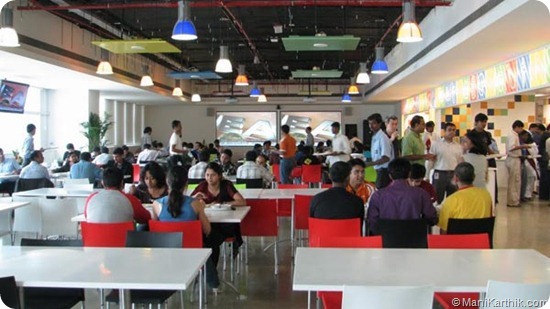
In today’s fast-paced environment, a large number of working professionals and students are spending the majority of their time at the workplace or college campus. The long working hours, classes or client meetings and short deadlines are only increasing the time spent in these places with little time left for eating healthy or exercising.
Hospitals and tea estates have workers who spend long hours working, often at the cost of their health. Most people eat at least one meal in these campus settings, if not more. While some individuals bring packed lunches from home or use home-based services like the dabba-system others use catering and food delivery services. Many people also visit restaurants, cafes and food vendors in or near the campus area.
Eating safe and healthy food is critical in the context of the rising number of food borne diseases, deficiencies of micronutrients like vitamins and minerals and non-communicable diseases (NCDs) like hypertension, diabetes and heart related diseases.
In India, 196 million Indians are undernourished1.
At the same time, 135 million are overweight or obese2 putting them at risk for high blood pressure, heart disease and diabetes. The number of cases of food borne illnesses is expected to rise from 100 in million in 2011 to 150 – 177 million in 20303. This will directly impact the ability to absorb nutrients, fight infection, rendering millions vulnerable to a host of diseases.
Benefits of Eat Right Campus
While the Eat Right Campus initiative is not mandatory to adopt, it can provide immense benefits to the campus and the individuals in the campus not only in terms of health but also economics. Safe, healthy and sustainable food in the campus would reduce the incidence of food borne illnesses, deficiency diseases and non-communicable diseases among the people in the campus. This means less absenteeism and loss of working hours and greater wellbeing, motivation and productivity of people.
This would also reduce the burden of healthcare costs for the workplace, institution, hospital, jail or tea estate. All these factors would ultimately result in economic benefits to the campus. In addition, being recognized as an Eat Right Campus would increase the prestige and brand value of the campus, making it attractive for prospective students, employees etc. Last but not the least, this would also inspire other campuses to promote safe, healthy and sustainable food, thus resulting in the overall development of the country.
Evaluation Criteria
Benchmarks have been created on four different parameters based on which campuses are evaluated and certified as ‘Eat Right Campus’. These parameters include food safety measures, steps to ensure provision of healthy and environmentally sustainable food and building awareness among the individuals in the campus to make the right food choices. A detailed checklist has been created based on these parameters, outlining the best practices to be followed by the campus.
These practices include mandatory steps such as licensing and registration of food service providers in the campus and compliance to food safety and hygiene standards as per Schedule 4 of the Food Safety and Standards (FSS) Act, 2006. It also includes steps to create an environment of safe, healthy and sustainable eating habits such as promoting local and seasonal food, limiting unhealthy food choices and mass awareness activities.
Certification Process
Once enrolled in this programme, a campus first undergoes a self-assessment or a third-party audit by an FSSAI empaneled agency based on this checklist to identify gaps and areas of improvement. The campus administration then takes steps to address these gaps. A critical step of this process includes training of Food Safety Supervisors and food handlers in the campus through FSSAI’s Food Safety Training and Certification (FoSTaC) Programme. Once these improvements are made, the campus undergoes a third-party audit by the same FSSAI-empaneled agency and is given a rating on a five-star scale.
If a campus scores three or more stars, it is certified as an ‘Eat Right Campus’. The certification is valid for two years. In order to ensure that these best practices continue, the campus appoints a nodal person to oversee these efforts. Food Safety Department or audit agencies may carry out regular inspections to ensure quality control until the certification is renewed.
Join the Eat Right Campus Movement
Register your campus with FSSAI and be a part of the Eat Right Campus initiative.